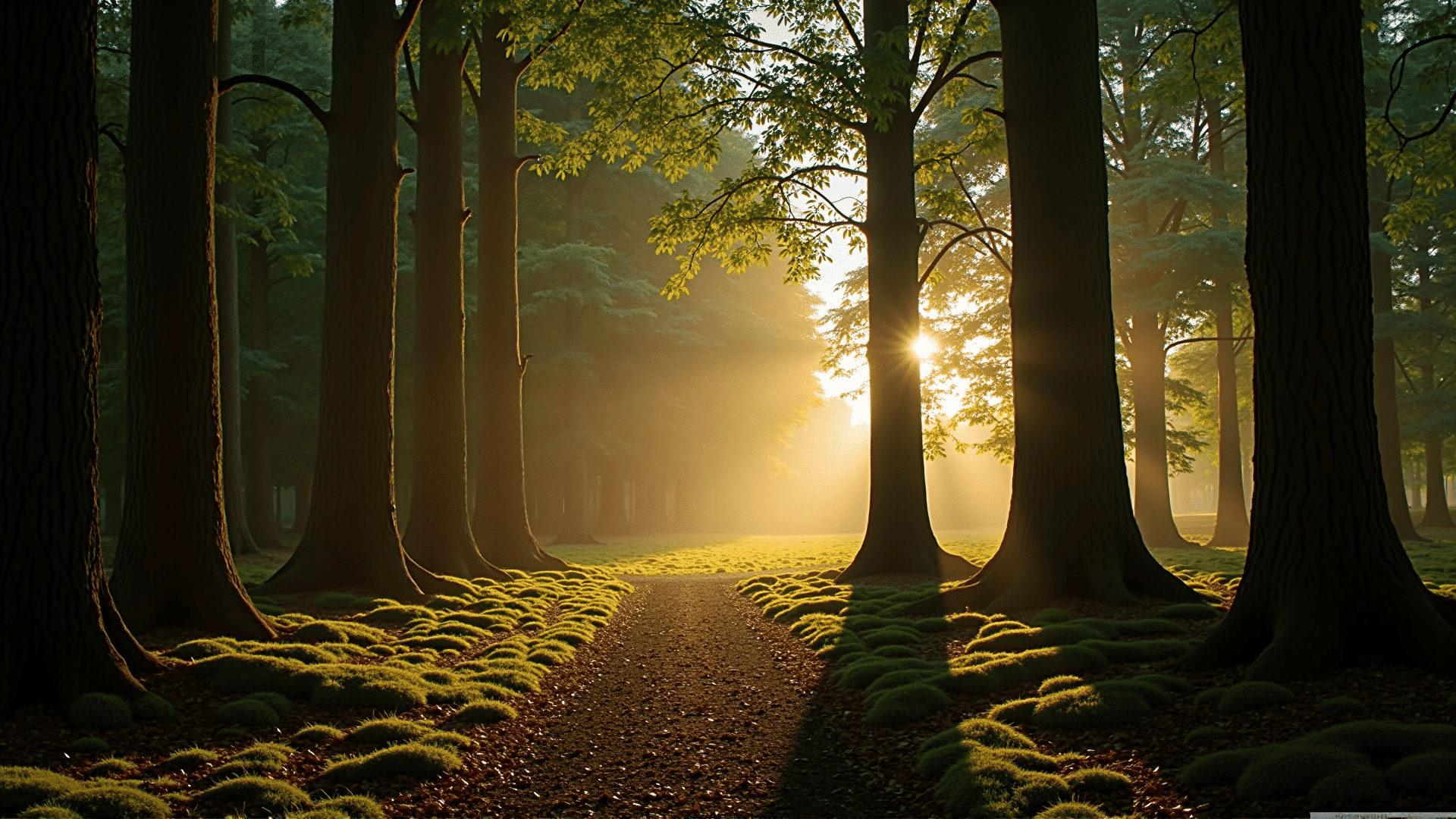
Nature photography is a rewarding and enriching pursuit that allows individuals to immerse themselves in the beauty and tranquility of the natural world. Capturing the essence of nature in your photographs requires a keen eye, an understanding of natural lighting, and a few essential techniques to enhance your outdoor photography skills.
Understanding Natural Lighting
One of the most important aspects of outdoor photography is understanding and utilizing natural lighting. Different times of the day offer unique lighting conditions that can significantly affect your photographs:
-
Golden Hour: This magical time occurs shortly after sunrise and before sunset. The soft, warm light during these periods adds a breathtaking glow to your photographs. Shadows are longer and softer, providing an ideal time for capturing landscapes, portraits, and wildlife in a flattering light.
-
Blue Hour: Occurring just before sunrise and after sunset, the blue hour offers cool, blue-toned light. It is perfect for capturing serene and moody landscapes. Utilizing a tripod during this time is essential, as the low light conditions may require longer exposures.
-
Midday Light: Although the midday sun can be harsh and create strong shadows, it can be leveraged effectively. Look for interesting contrasts and use the shadows to add depth and drama to your images. Alternatively, overcast days offer diffused lighting, reducing harsh contrasts and allowing for evenly lit scenes.
Composition Techniques
Good composition is essential for enhancing the beauty of your nature photographs. Consider the following techniques:
-
Rule of Thirds: Divide your frame into nine equal segments with two horizontal and two vertical lines. Positioning key elements along these lines or at their intersections creates a balanced and engaging image.
-
Leading Lines: Utilize natural lines found in nature, such as paths, rivers, or tree branches, to guide the viewer’s eye through the photograph and towards the focal point.
-
Framing: Look for natural elements, such as foliage or archways, to frame your subject. This adds depth and context to your image while drawing attention to the main subject.
-
Perspective and Angles: Experiment with different angles and perspectives to find unique and interesting compositions. Low angles can emphasize the grandeur of a scene, while high angles can provide a broader overview.
Capturing Movement and Detail
Nature is full of dynamic elements, and capturing movement can add a sense of life to your photographs. Consider using these techniques:
-
Long Exposure: For capturing movement, such as flowing water or moving clouds, use long exposure settings. This technique smooths out motion, creating a dreamy effect, and often requires a tripod for stability.
-
Freezing Motion: To capture wildlife or fast-moving subjects, opt for a fast shutter speed. This isolates the subject in sharp focus against a blurred background, emphasizing action and energy.
-
Macro Photography: Delve into the world of small details by using macro settings or lenses. This allows you to capture intricate patterns and textures found in flowers, insects, and other small subjects.
Environmental Awareness and Respect
As you endeavor to capture nature's beauty, it's imperative to do so responsibly. Always adhere to the principles of Leave No Trace by minimizing your impact on the environment. Stay on designated paths, avoid disturbing wildlife, and be mindful of your surroundings to ensure the preservation of natural habitats for future generations.
By mastering natural lighting, honing composition techniques, and capturing movement and detail, you can enhance your outdoor photography skills and portray the stunning essence of the natural world in your images. Whether you are a novice or an experienced photographer, nature offers endless opportunities for creativity and inspiration. Happy shooting!