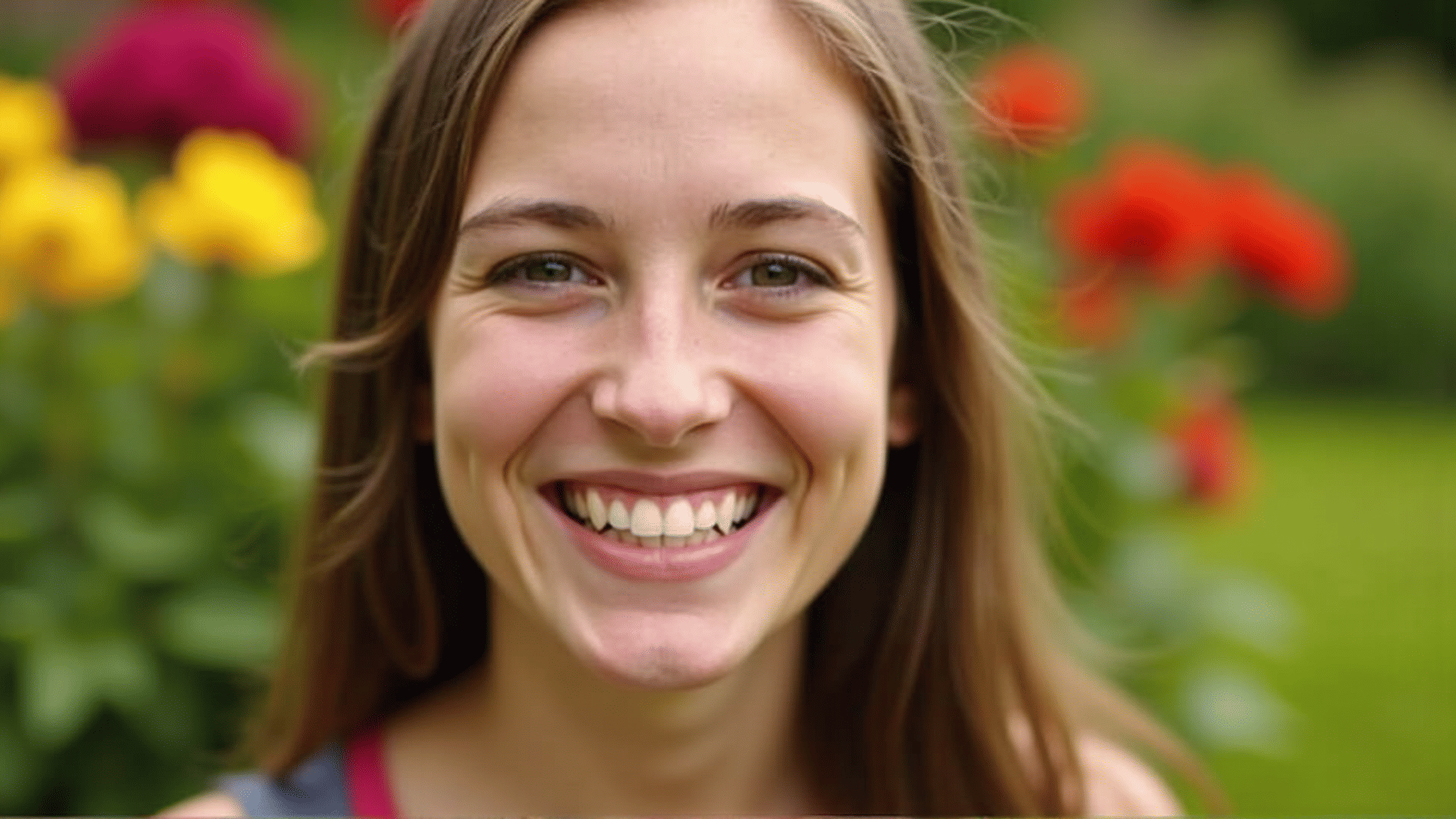
Outdoor portraiture offers a captivating way to immortalize moments by blending the beauty of the environment with the essence of the person in focus. To achieve stunning results, understanding natural light and its interplay with various backdrops is essential.
Embrace Natural Light
Positioning is key when utilizing the sun’s natural glow. Begin by selecting the time of day when the light is most flattering. The golden hour, just after sunrise or before sunset, provides a soft, warm illumination that enhances skin tones and adds a gentle halo effect. Avoid harsh midday sun to prevent unflattering shadows and highlights.
Choosing the Right Background
Nature offers countless dynamic backdrops for portraiture. Whether it’s a lush park, a serene beach, or an urban setting with an intriguing texture, the background plays a vital role in complementing the subject. When choosing a setting, ensure that it does not overwhelm the subject. The backdrop should enhance, not distract.
Composition and Positioning
A well-composed photograph draws the viewer’s eye to the subject naturally. Use the rule of thirds by placing the subject off-center, which often results in a more balanced and interesting composition. Experiment with angles and heights to add depth and dimension to the portrait.
Interacting with the Subject
The connection between the photographer and the subject is pivotal. Encourage the subject to move and interact with the environment, providing candid moments that capture genuine expressions. A relaxed subject exudes authenticity, making the portrait more engaging.
Utilizing Reflectors and Diffusers
To manage natural light more effectively, consider using reflectors to bounce light onto the subject, enhancing features and reducing shadows. Diffusers can soften harsh sunlight, providing more even lighting conditions. Both tools are invaluable for creating a polished portrait.
Incorporating Elements of the Environment
Integrate the environment into the shot to create context and tell a story. Whether it’s leaves in the fall, snow in winter, or flowers in spring, these elements add seasonal context and enrich the portrait's narrative.
Post-Processing
Enhance your images through post-processing while retaining a natural appearance. Correct minor blemishes, adjust lighting, and, if necessary, subtly highlight features to make the portrait stand out. Aim for a balance that maintains the portrait's authenticity.
By mastering the techniques of using natural light, choosing compelling backdrops, and connecting with the subject, outdoor portraiture can become an art form that beautifully captures the interplay between people and the natural world. With practice and creativity, each photograph can tell a unique story filled with warmth and character.